← Back to Projects
CAD / DesignArchived

3D Brain Model

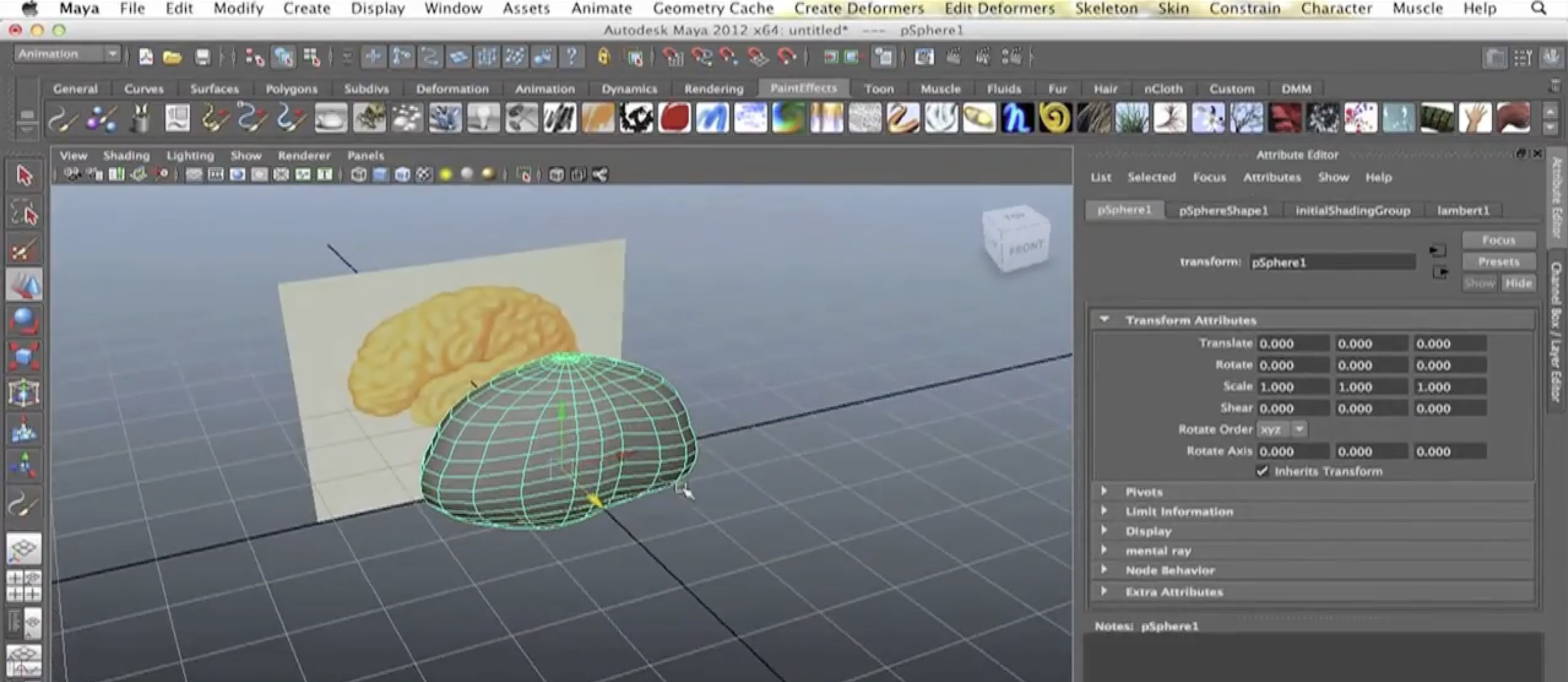
Maya brain model that I cleaned up and 3D printed as a labeled study piece.

Early project. I modeled cortical detail in Maya, fought overhangs and wall thickness for FDM, then printed and labeled it. Pretty geometry that will not print is useless. Kept here because it is one of the first times I cared about a physical artifact, not just a screenshot.

Engineering highlights

  • Modeled anatomy with print constraints in mind
  • Printed and labeled a physical study model
Date
High School
Focus
CAD
Build stage
Archived
Disciplines
CAD · Digital Fabrication
cad3d-printneuroscience
Build snapshot
3D Brain Model media 1
Full write-up below. The hero is the short version. This is the build story: what I designed, what broke, and why I made the calls I did.

Motivation

Why I started this

What pulled me in, and what I wanted to get better at.

Why I built it

I wanted a brain I could hold, not another Maya screenshot.

What interested me

Detail that will not print is just ego. Walls and overhangs decide what survives.

What I wanted to learn

Early reminder that physical builds punish sloppy geometry.

System Overview

How the system fits together

Maya brain model cleaned for FDM, printed, and labeled as a study piece.

01

Digital sculpt

Gyri/sulci forms in Maya.

02

Print prep

Geometry cleaned for FDM stability.

03

Physical labeling

Tangible study artifact.

Data flow

Maya model → print prep → physical labeled print.

Engineering Breakdown

Broken down by discipline

Each block covers the goal, the design, what broke, what changed, and what shipped.

01CAD → Print

CAD → Print

Goal

Preserve anatomical readability in a printable solid.

Design

Sculpted cortical detail balanced against overhangs and wall stability; physical labels after print.

Challenges

  • Detail vs print reliability.
  • Label placement without obscuring form.

Iterations

  • Digital only
  • Print test
  • Labeled study model

Final implementation

Archived physical model kept as early build evidence.

Physical model
3D printed brain model

Printed anatomical study piece.

Key Design Decisions

Calls I actually made

What else was on the table, what I picked, and why it still made sense once the hardware was real.

01

Clarity over micro-detail

The problem

How much cortical detail survives FDM?

Alternatives considered

  • Maximum mesh detail
  • Readable printable form

Tradeoffs

Max detail shreds on printers; readability teaches more.

Why I chose this

Readable printable anatomy.

Evolution

How it got here

Bench bring-up, CAD fits, soldering, and the demos in between. Not just the final photo.

  1. High school

    Model + print

    End-to-end physical artifact.

    No media for this milestone yet.

Results & Validation

What held up

What worked in the end, what I can show for it, and where it's still limited.

Physical artifact

Photo of printed model

Labeled printed brain produced from Maya geometry.

Limitations

  • Archived early work; not a research-grade atlas.

Reflection

Looking back

What surprised me, what I'd redo, and questions I'm still chewing on.

What surprised me

  • Print failures teach topology faster than tutorials.

What I would redesign

  • Earlier overhang reviews.

Future improvements

  • Sectioned multi-color prints if revisited.

Questions that emerged

  • What detail is pedagogically necessary versus decorative?